


XRPL Zone Paris 2026, hosted by XRPL Commons the day before Paris Blockchain Week, served as a definitive pulse-check for the XRP Ledger ecosystem. This special edition brought together the XRP Ledger ecosystem’s core builders & projects for a focused half‑day of execution, not headlines. Designed to harness the scale and energy of PBW while staying sharply curated, it offered a space where protocol teams, infrastructure providers, and leading projects could get into the details that actually move roadmaps forward. Through targeted protocol updates, working sessions, and a deep‑dive lunch, XRPL Zone Paris became a working lab for the next wave of products, tooling, and institutional‑grade infrastructure on the XRPL.
The energy was unmistakable, the event was oversubscribed and packed to capacity with a vibrant mix of XRPL veterans and builders entirely new to the chain, all gathered to chart the next phase of the ledger's evolution. Moving beyond the "hype" of previous cycles, the event showcased a community laser-focused on institutional utility, protocol maturity, and the roadmap to 1 trillion dollars in tokenized assets.
Here's what surfaced.
The new “One Ripple”
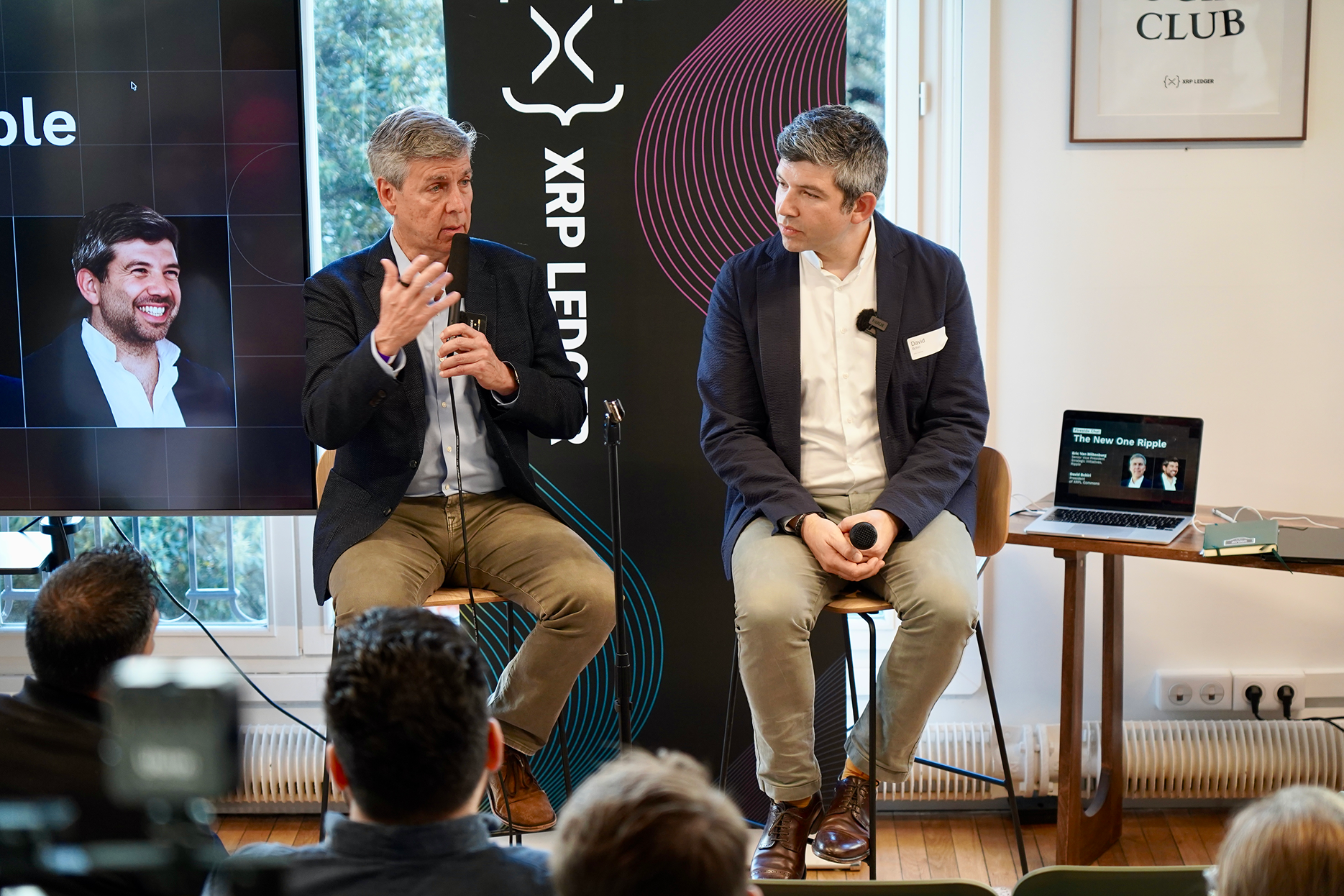
The day opened with a fireside chat between David Bchiri (President, XRPL Commons) and Eric Van Miltenburg (SVP Strategic Initiatives, Ripple). Eric reflected on a decade of evolution: “Ripple started as a cross‑border payments company and is now building a full institutional infrastructure stack—custody, prime brokerage, stablecoin payments, and treasury. Its targeted acquisitions, from Metaco and Standard Custody to Hidden Road and GTreasury, are about owning the capabilities needed to serve institutions end‑to‑end, rather than stitching them together through fragmented third‑party partnerships.” David highlighted “looking back at the past 3 years, XRPL Commons has become a key enabler in XRPL’s growth, from supporting developers and builders to engaging enterprises”.
Looking ahead five years: over $1 trillion in tokenized financial assets on-chain, AI agents needing exactly the kind of compliant, fast, trusted settlement rail that XRPL is designed to be, and a ledger whose intentional design — stable, purpose-built for finance, without the complexity risks of general-purpose smart-contract platforms — makes it the natural home for regulated finance.
The Protocol Is Moving
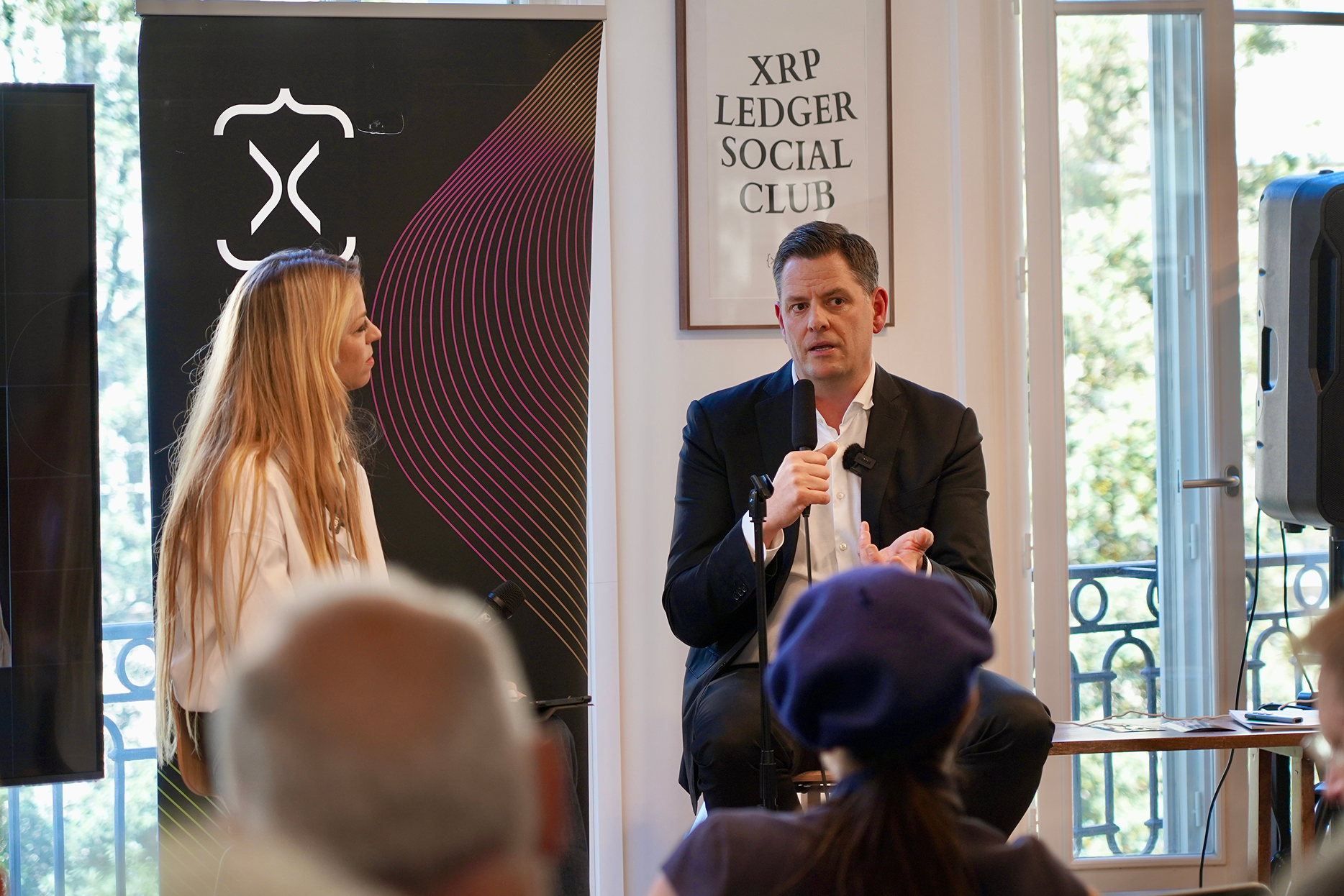
In a fireside chat on the XRPL Product Roadmap with Odelia Torteman (Director of Corporate adoption, XRPL Commons), Markus Infanger (SVP, RippleX) detailed how the protocol is technically preparing for this institutional influx. The focus has expanded well beyond payments into a native DeFi stack built with institutional-grade security:
- XLS-65 (SingleAssetVault): an on-chain primitive for pooling a single fungible asset (XRP, IOUs, or MPTs), issuing MPT shares to depositors. The building block for lending, yield, and asset management products.
- XLS-66 (LendingProtocol): native uncollateralized fixed-term loans backed by those vaults, with off-chain underwriting via a LoanBroker object. XLS-66 depends on XLS-65; they compose.
- Multi-Purpose Tokens (MPT): enabling sophisticated asset structures like bonds and money market funds with native metadata and transfer restrictions encoded at the protocol level (MPT is active).
- Permissions DEX & Permissioned Domains: Extension of XRPL's DEX into regulated contexts. Enabling only credentialed participants to place orders, supporting secondary market liquidity with full KYC/AML controls (Both Permissions DEX & Permissioned Domains are fully active).
Both XLS-65 and XLS-66 are in validator voting now. Builders can experiment at https://tests.xrpl-commons.org/

The Product Working Groups: From Vision to Execution
The afternoon shifted into high-signal Product Working Groups, led by ecosystem practitioners, where in each group builders collaboratively defined the product offering, mapped existing solutions, analyzed current capabilities on the ledger, identified functional and ecosystem gaps, and intentionally surfaced and prioritized the most compelling opportunities for further development and collaboration. We will be releasing deep-dive articles on these sessions soon.
Here's what each one surfaced:
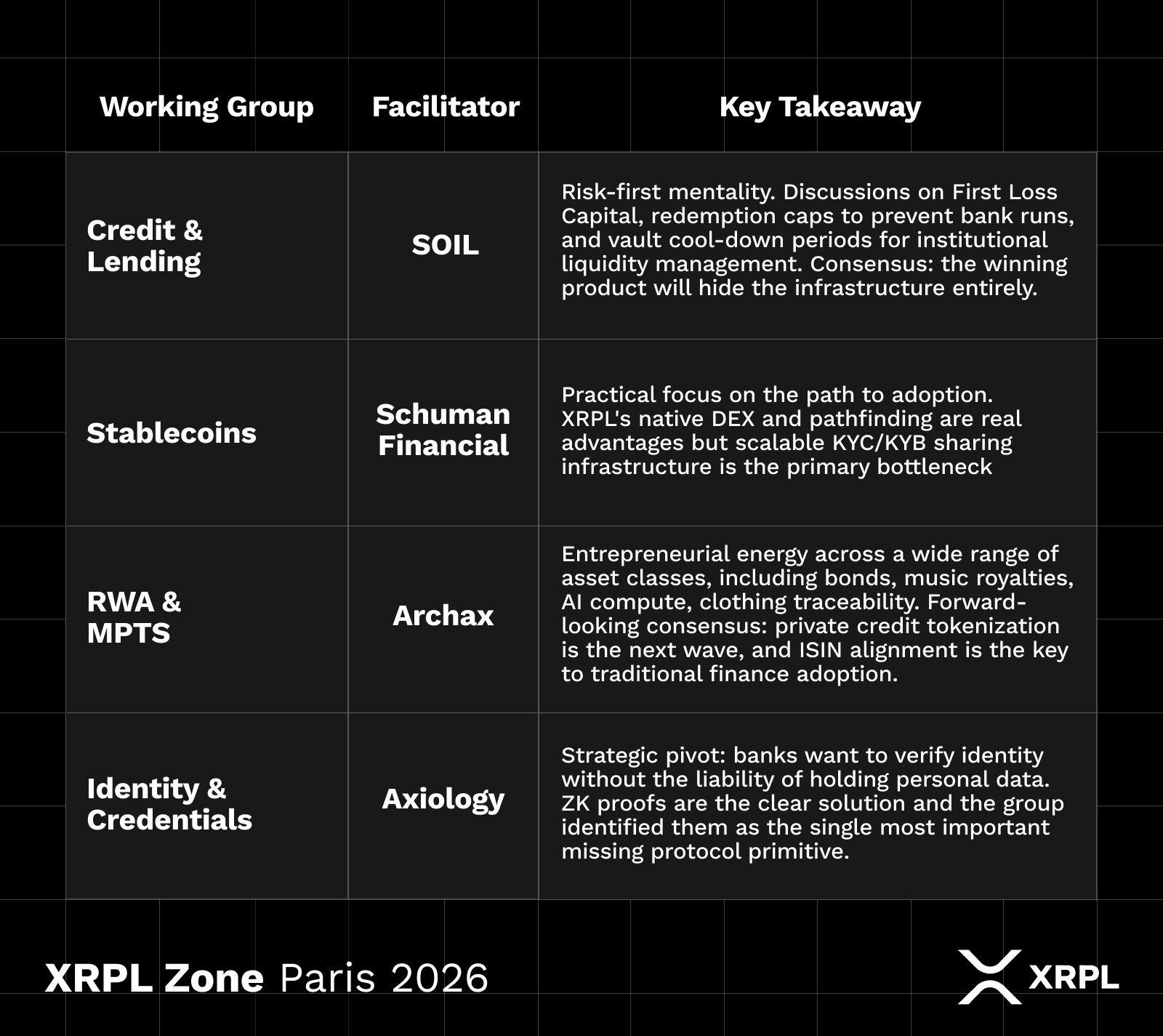
The cross-cutting theme that emerged independently across all four sessions: the protocol is ahead of the compliance tooling. The demand from institutional players is real. The infrastructure that meets their standards, comprising privacy, configurable compliance, and managed liquidity, is what needs to close the gap.
Major Ecosystem Announcements
Three product launches closed the day. Each represents a concrete signal of where the ecosystem is heading.
LOBSTR Expands to XRPL
LOBSTR, the leading wallet in the Stellar ecosystem, with 1.5 million users, announced native XRPL support in partnership with XRPL Commons. LOBSTR users can now create, import, and manage XRPL accounts directly from the app they already use. Stellar ↔ XRPL flows, DeFi integrations, and card connectivity are coming next. This isn't a partnership announcement, it's a distribution channel that didn't exist the day before.
Boundless: On-Chain Privacy via ZK Proofs
Boundless, the team behind the world's largest ZK proving network, announced native Zero-Knowledge Proof verification is coming to the XRP Ledger, built in partnership with XRPL Commons over the past six months. A RISC-V ZK verifier is now deployed on XRPL Devnet, the first of its kind on the ledger.
What this will unlock in the future: confidential stablecoin payments where amounts and counterparties stay off the public record, private treasury management, crosschain swaps without a trusted intermediary, and identity verification where users prove compliance without exposing underlying personal data, with selective disclosure available for regulatory audits.
The identity working group spent its session identifying ZK proofs as the primary missing protocol primitive. By the afternoon, the announcement confirmed the work is already underway.
Quicknode: Enterprise Infrastructure for XRPL
Quicknode, processing 200B+ monthly API requests across 80+ blockchains, announced enterprise-grade infrastructure support for XRPL Mainnet and the XRPL EVM Sidechain. Ripple Custody already relies on Quicknode infrastructure for institutional clients including Citi, BNP Paribas, BBVA, and Société Générale.
What's Next?
As we look ahead, the real work now happens in the products, tools, and infrastructure that will define the next generation of the XRPL ecosystem. If you are already building on XRPL, or are exploring how to extend your product, platform, or partnership into this stack, we want to hear from you. Whether you are designing new protocols, DeFi, institutional rails, or enabling infrastructure, reach out to XRPL Commons team at adoption@xrpl-commons.org to explore how we can collaborate on the next wave of XRPL‑powered solutions.
Stay tuned for our deep-dive series on the Product Working Groups including full findings, technical gap analyses, and protocol recommendations from the session.
Let's build the future of finance on the XRP Ledger, together!
.JPG)



.jpg)


