Building a successful presence within the XRP Ledger (XRPL) ecosystem is less about chasing market trends and more about demonstrating high agency, personal conviction, and long-term commitment. By prioritizing "founder-market fit" and betting on their own unique lived experiences, builders can transcend technical hurdles to solve real-world problems. Success in this space is fueled by early and consistent shipping, which fosters the credibility and trust necessary to attract both users and capital. Ultimately, because ecosystems are built by people rather than just code, long-term growth is achieved by becoming a visible, useful member of the community and leveraging structured support systems like XRPL Commons to transform from an individual contributor into an integral part of the network's future.
There’s no single path into XRPL. But the builders who make it all start the same way: by betting on themselves before anyone else does.
1. Start With Your Story
I entered Web3 through a student blockchain club in France, Kryptosphere. Though not a tech person at first, I went to bootcamps and learned by doing. I joined hackathons, built cool apps, and kept improving. Over time, I founded Dev3pack to bring more women developers into Web3. What I learned across ecosystems is simple: we bet on people first, not on projects.
Success doesn’t start at “What should I build?” It starts with “Why am I building?” and even more importantly, “Why me?”. The strongest builders are not chasing trends. They are obsessed with a problem. They stay when the hype fades. Before writing your first smart contract, you need clarity about your founder-market fit. Your background, your lived experience, your curiosity – these constitute your unfair advantage. Technology can be learned. Conviction cannot.
2. High Agency Changes Everything
In every ecosystem, including XRPL, there are two types of builders. Some wait for perfect conditions. They say there is not enough funding, that competition is too strong, or that timing is not right. Others take ownership. They ask how they can validate without money, what they can ship in two weeks, and what assumptions they might be wrong about.
That “high agency mindset” changes everything. If you’re entering XRPL today, start small. Build a simple MVP. Launch a private beta. Share progress publicly. Talk to users early. Don’t wait for validation to begin moving. Shipping creates credibility. Momentum attracts trust.
3. Trust Is Your Real Capital
In Web3, trust compounds, and can disappear fast. It’s built on competence, consistency, integrity, transparency, and long-term commitment. Can you ship? Do you show up every week? Are you around when things don’t go as planned? Are you here for the long run? Builders lose trust when they overpromise, disappear during difficult moments, or constantly change direction. People don’t bet on code first. They bet on behavior.
4. Our Network Is Your Distribution
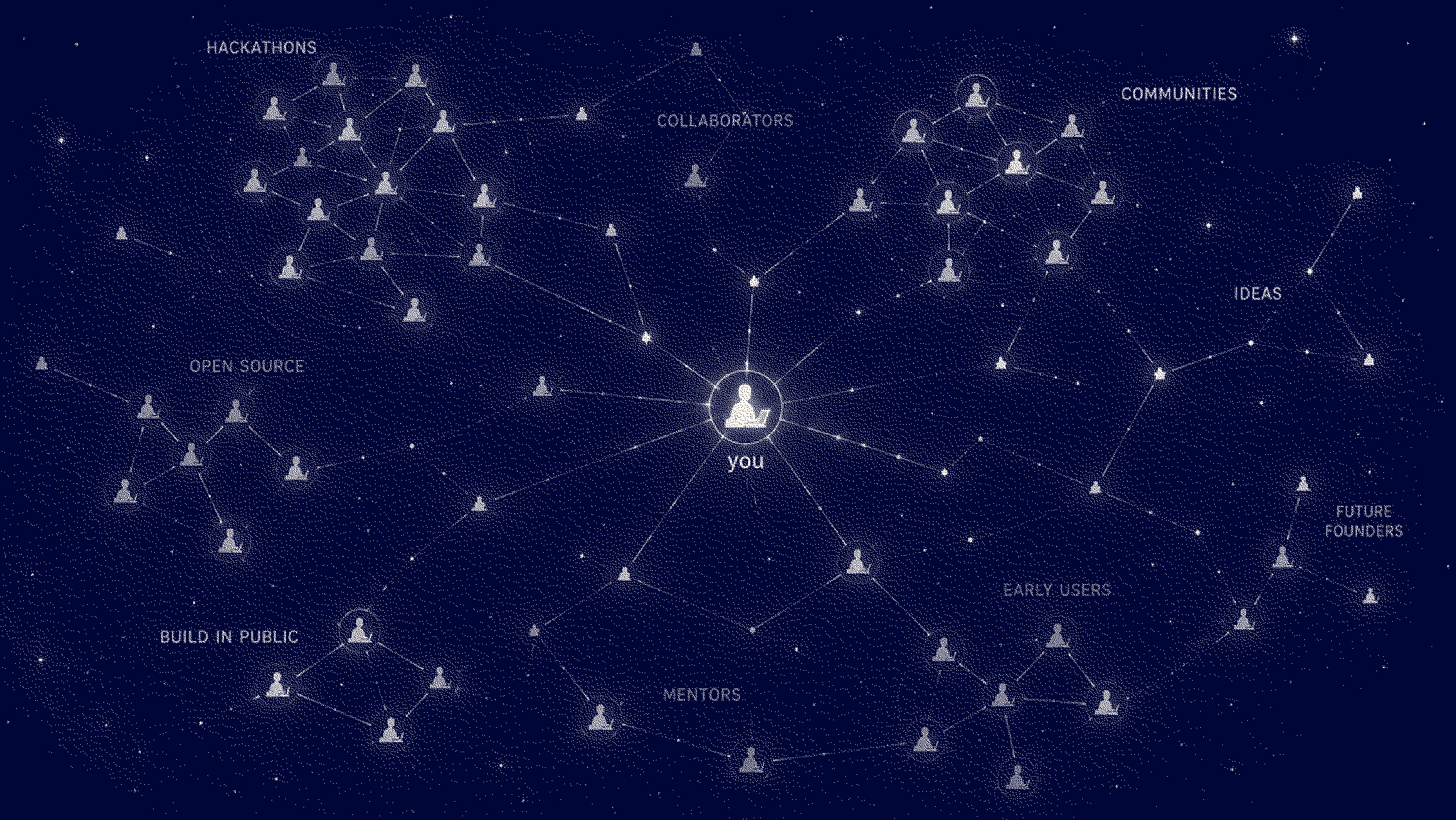
You don’t build a network when you need funding or a job. You build it before. When I was organizing some activations, I wasn’t thinking about future leverage. I was helping. Hosting events. Sharing knowledge. Years later, that network opened doors I couldn’t have predicted. Inside the XRPL ecosystem, integration matters. Join community calls. Participate in conversations. Attend meetups. Support other builders. Share what you’re learning. Visibility doesn’t come from shouting the loudest. It comes from being consistently useful. Community builds trust. Trust builds opportunity.
5. Think Long-Term, Build Belonging
Every ecosystem needs more than just founders. It needs contributors, educators, mentors, and open-source maintainers, and community leaders. You may start by fixing documentation, or contribute to a repository. Maybe you help onboard new developers into XRPL. Your role evolves. The real question isn’t only what XRPL can give you in a few months. It’s what you can build within this ecosystem over years. Technology evolves. Narratives change. Markets crash. What remains is your reputation.
XRPL is a powerful infrastructure. But infrastructure alone does not build ecosystems. People do. The good news is that you don’t have to navigate alone. XRPL Commons is here to help builders grow, from education and community integration to acceleration and scaling. Whether you are getting started or ready to take your project further, there are structured pathways designed to help you grow.
Ecosystems grow when they invest in people, not just projects. If you focus on shipping, earning trust, building real relationships, and leveraging the right support systems, you won’t just enter XRPL– you will become part of it.



.jpg)